
Dental Implant Patient Guide
Understand implant candidacy, treatment stages, recovery and everyday care, with questions to discuss at your dental visit.
Dental insights
Learn about dental implant complications, daily care and signs that need assessment. Planning and regular follow-up help reduce risk, but cannot guarantee an implant will remain free of problems.
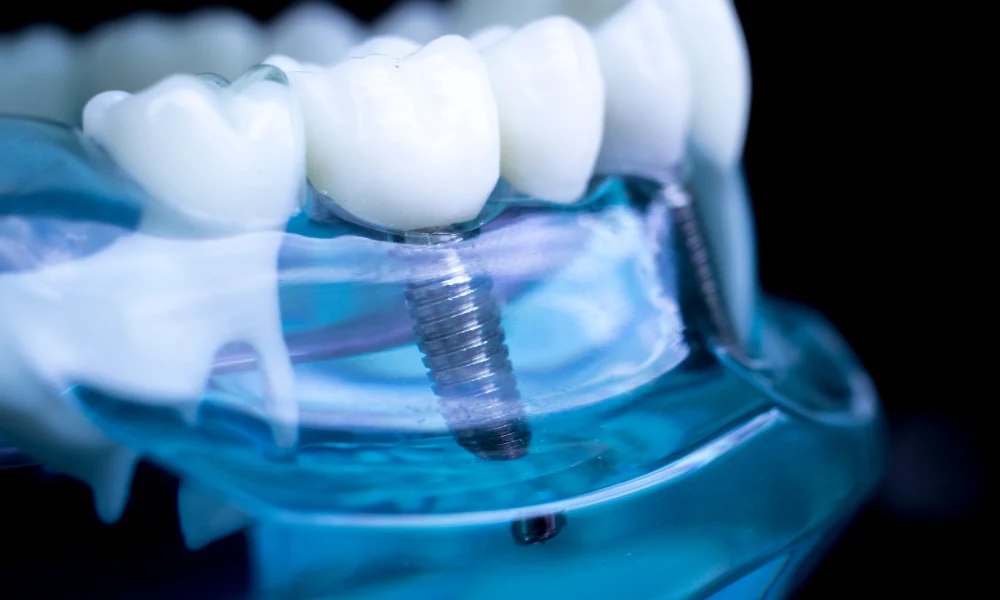
Dental implants need ongoing care after treatment. Careful planning, daily cleaning and professional reviews help reduce the risk of infection, peri-implant disease and other complications. This guide explains practical care considerations and changes to discuss with your dentist. Follow the instructions given for your own procedure, especially during early healing.
The period immediately following your implant surgery is crucial. Infection remains one of the biggest threats to implant success. It can arise if bacteria find their way into the surgical sites, causing inflammation and potentially hindering the implant’s ability to fuse with your jawbone (osseointegration).
Follow your treating dentist’s instructions about cleaning the surgical area, rinses and any prescribed medicines. Ask when to resume brushing and cleaning between teeth around the implant. Antibiotics and antibacterial rinses are not a substitute for assessment or daily care; use them only as directed for your situation.
The initial weeks after implant surgery are when your implants are most vulnerable. Exerting undue pressure by biting into hard foods can jeopardize the osseointegration process. We recommend indulging in a soft food diet to ensure your implants remain undisturbed. Think along the lines of creamy soups, yogurt, mashed potatoes, and soft fruits. Your implants will thank you!
Smoking increases the risk of implant complications and peri-implant disease. Discuss stopping smoking and support available to help you quit with your dentist or healthcare professional. A short break around surgery does not remove the longer-term risks.
Every patient’s dental landscape is unique. While the tips provided here are general guidelines, our team at West Coast Smile ensures you leave our clinic with detailed post-operative instructions tailored to your needs. Adhering to these instructions is paramount to the success of your implants. This includes timely follow-up appointments so we can ensure everything’s progressing as it should.
After the initial healing phase, regular reviews help monitor the implant and the surrounding tissues. Ask how often you should attend based on your gum health, cleaning needs and individual risk factors.
Peri-implant mucositis is inflammation of the soft tissue around an implant without loss of supporting bone. Peri-implantitis involves inflammation and loss of the bone supporting the implant. Early assessment matters: a change around an implant should not be assumed to be a minor cleaning problem.
Arrange a dental assessment for gums that become red, swollen or tender, or that bleed when brushing around an established implant. A persistent bad taste or a loose implant-supported tooth also needs attention. These signs do not establish a diagnosis on their own. If you have just had surgery, follow your post-operative instructions and contact your treating dentist about unexpected or worsening symptoms.
An abutment screw can loosen, while looseness of the implant body is a different problem. A loose-feeling replacement tooth does not tell you which component is affected. Contact your dentist promptly for assessment if it feels loose or painful. The FDA’s patient guidance explains implant components and potential complications.
Tell your dentist if you grind your teeth (bruxism) or clench your jaw. They can review forces on the restoration, signs of wear or damage, and whether a protective appliance or another approach is appropriate. A night guard does not replace cleaning or professional implant reviews, and it cannot guarantee that complications will be avoided.
Jaw pain, painful clicking or difficulty opening your mouth also need assessment; these symptoms should not automatically be attributed to the implant. Dr. David Cheng’s TMJ and jaw pain service in Vancouver explains the clinic’s assessment pathway for jaw joint and muscle concerns.
Clinical background: EFP guidance on implant risk assessment and maintenance and NIDCR information about temporomandibular disorders.
Ask your dentist or hygienist to show you how to clean around your particular restoration and which interdental cleaning aids fit. Discuss your history of gum disease, smoking and diabetes, where relevant. Professional reviews and cleaning remain important even when the implant feels comfortable. You can read about our dental hygiene and teeth cleaning services and use the dental implant treatment guide to prepare questions for a visit.
For further patient information, see the American Academy of Periodontology’s explanation of peri-implant diseases and the European Federation of Periodontology’s implant FAQs.
For concerns about an existing implant, request an appointment with Westcoast Smile in Kitsilano, Vancouver, and describe the changes you have noticed. Assessment comes before a treatment recommendation; the appropriate care or referral depends on the findings.
Live closer to Vancouver? See our dental implants in Vancouver.
Request an appointment with Westcoast Smile Dental in Kitsilano, Vancouver.