
Cosmetic dentistry
Porcelain Veneers in Vancouver & Kitsilano
Porcelain veneers can change the colour, shape and proportions of selected teeth while preserving a natural-looking smile. At Westcoast Smile in Kitsilano, veneer treatment begins with a dental assessment and personalized planning so you can understand whether veneers—or another option—best fits your teeth, bite and goals.
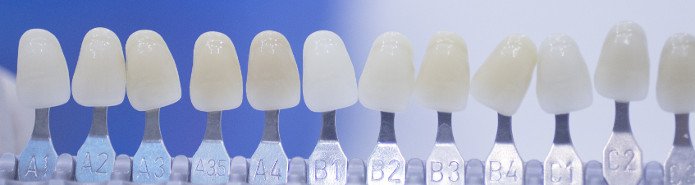
What can porcelain veneers change?
Veneers are thin restorations bonded to the front surface of teeth. They can be considered when the goal is to improve the appearance of selected teeth while keeping the result in proportion with the rest of your smile.
- Chipped or worn tooth edges
- Teeth with stubborn discolouration that may not respond as desired to whitening
- Teeth that appear uneven in shape, length or proportion
- Selected small spaces between teeth
- Minor appearance concerns involving position or symmetry, when orthodontic treatment is not the better choice
Veneers are not a substitute for treating decay, gum disease or significant bite problems. A consultation is used to determine what is healthy, predictable and appropriate for your individual situation.
Are porcelain veneers right for you?
A veneer consultation is about more than choosing a shade. Dr. David Cheng or Dr. Jeffrey Norden can assess the condition of your teeth and gums, the amount of enamel available for bonding, your bite, signs of clenching or grinding, and the changes you would like to make.
Veneers may be suitable for some patients with healthy teeth and gums who want to improve colour, shape, proportion or selected spacing concerns. Another treatment may be safer or more conservative when there is active decay or gum disease, very limited enamel, substantial tooth damage, heavy grinding, or a bite/alignment issue that should be addressed first.
The aim is not to place veneers on every cosmetic concern. It is to choose the treatment that makes sense for your oral health, smile goals and long-term maintenance.
How porcelain veneer treatment is planned
The exact sequence varies by case. A typical porcelain veneer plan may include:
- Consultation and examination. We review your concerns, oral health, bite and existing restorations, and discuss realistic treatment options.
- Smile and treatment planning. Tooth colour, shape, proportions and how the proposed changes relate to your face and smile are considered before treatment begins.
- Tooth preparation when needed. Porcelain veneers commonly require removal of a small amount of enamel to create room for the restoration and a suitable bonding surface. The amount varies by tooth and treatment plan.
- Impressions or digital records. Records are used to fabricate veneers that fit the planned teeth. Temporary veneers may be used in some cases while the final restorations are being made.
- Try-in, bonding and bite check. Fit, appearance and bite are evaluated before the veneers are bonded. Follow-up may be recommended after placement.
Are porcelain veneers reversible?
Porcelain veneer treatment is generally considered irreversible because enamel is usually removed during preparation. That is why candidacy, alternatives and the expected maintenance of the restorations should be discussed before treatment.
When another cosmetic treatment may be a better fit
Veneers are one option within a broader cosmetic treatment plan. Depending on the concern, a less extensive or different treatment may be preferable.
Composite bonding
Cosmetic tooth bonding can be useful for selected chips, edges, small spaces or shape changes. It is placed directly on the tooth and may require less enamel alteration, but it has different wear and staining characteristics than porcelain.
Teeth whitening
If colour is the main concern and tooth shape is already satisfactory, professional teeth whitening may be considered before restorative cosmetic treatment.
Invisalign or other alignment treatment
When tooth position or bite is the main issue, Invisalign treatment may address the underlying alignment rather than masking it with restorations.
Crowns or restorative treatment
A tooth with significant structural damage may need a restoration that protects more of the tooth than a veneer. Your examination determines whether cosmetic veneer treatment or a restorative option is appropriate.
You can also explore the clinic’s broader cosmetic dentistry treatment options.
Caring for porcelain veneers
Veneers still depend on healthy teeth and gums. Brushing, cleaning between the teeth and regular dental care remain important because decay and gum disease can still occur around veneered teeth.
- Avoid using veneered teeth to bite hard objects or as tools.
- Tell your dentist if you clench or grind your teeth so the bite and protective options can be evaluated.
- Wear an appropriate mouthguard for activities where dental injury is possible.
- Contact the clinic if a veneer feels loose, chips, fractures, or if your bite feels different after treatment.
There is no fixed lifespan that applies to every veneer. Porcelain veneers can remain serviceable for many years, but repair or replacement may eventually be needed depending on the restoration, bite forces, habits and oral health.
How much do porcelain veneers cost?
Veneer fees depend on factors such as the number of teeth being treated, material, case complexity, any preliminary dental care and the treatment plan. A consultation is needed for an individualized estimate.
For a detailed explanation of pricing factors, read our dental veneer cost guide, which covers common factors that can affect fees and what to consider when reviewing a treatment estimate.
See a real porcelain veneers case
Real treatment examples can help patients understand how veneers may fit within a broader smile plan. View our Invisalign and porcelain veneers case in the Smile Gallery to see one example of coordinated cosmetic treatment.
You can also explore our cosmetic dentistry cases from our Vancouver clinic, including examples involving porcelain restorations and gum recontouring. These cases help explain how appearance and restorative needs are considered together; individual treatment plans and results vary.
Frequently asked questions about veneers
What are dental veneers?
Dental veneers are thin shells bonded to the front surface of teeth to change selected aspects of colour, shape, proportion or spacing. Veneers may be made from porcelain or composite resin. The right material and treatment depend on the tooth, bite and cosmetic goal.
Do veneers ruin your teeth or are they reversible?
Porcelain veneers generally require removal of some enamel, so treatment is usually not reversible. Careful assessment and conservative planning are important before treatment. Active decay, gum disease and other oral-health problems should be addressed first.
How long do veneers last?
There is no single lifespan that applies to every veneer. Porcelain generally lasts longer than composite resin, but any veneer may eventually need repair or replacement. Bite forces, grinding, oral hygiene, habits and the condition of the supporting tooth all affect longevity.
Are veneers painful?
Local anesthetic may be used when teeth are prepared for porcelain veneers. Some patients notice temporary sensitivity afterward. If discomfort is severe, persistent or your bite feels wrong after placement, contact the dental office for assessment.
Can I whiten veneers or will they stain?
Dental whitening changes natural tooth structure differently from porcelain or composite restorations. If whitening is part of your smile plan, discuss the sequence before the veneer shade is selected. Porcelain is generally more stain-resistant than composite, but all restorations still require regular care.
Porcelain vs. composite—what’s the difference?
Porcelain veneers are custom restorations made outside the mouth and are generally stronger and more stain-resistant than composite resin. Composite can often be placed directly on the tooth and may be easier to repair. Treatment choice depends on the amount of change required, tooth structure, bite, maintenance expectations and budget.
Am I a good candidate for veneers?
Candidacy depends on healthy teeth and gums, available enamel, bite forces, grinding habits and your treatment goals. Significant decay, gum disease, weakened teeth, heavy bruxism or alignment problems may need to be addressed first or may make another treatment more appropriate.
How much do veneers cost and are they covered by insurance?
Fees vary by material, number of teeth and treatment complexity. Cosmetic veneers are often not covered by dental benefit plans, but coverage varies. Review your plan and ask about an estimate or predetermination when appropriate. See our dental veneer cost guide for a fuller explanation.
Considering porcelain veneers in Vancouver or Kitsilano?
Book a consultation at Westcoast Smile to discuss your teeth, bite, cosmetic goals, treatment alternatives and whether porcelain veneers are an appropriate option for you.