
General dentistry
Wisdom Teeth Removal in Vancouver & Kitsilano
Wisdom teeth do not automatically need to be removed. At Westcoast Smile in Kitsilano, our dentists assess your symptoms, tooth position, oral health and imaging before recommending monitoring, removal or referral when appropriate.
Treatment recommendations vary by patient. If your case would benefit from specialist care, referral can be discussed as part of the treatment plan.

Pain at the back of your mouth, a partly erupted tooth or a recommendation from your regular dentist? Book a wisdom tooth assessment with Westcoast Smile in Kitsilano, Vancouver. We can explain whether third-molar extraction, monitoring or referral fits your findings, and discuss comfort, fees and recovery before you decide.
For urgent pain or swelling, call (604) 737-1023 to check availability or see our emergency dental care information.
Wisdom teeth care at a glance
Assessment first
Symptoms, examination findings and appropriate imaging help determine whether a wisdom tooth should be monitored, treated or removed.
Not every tooth needs removal
Healthy, well-positioned wisdom teeth may be monitored when they can be cleaned and are not damaging nearby teeth or tissues.
Individual treatment planning
Complexity varies with eruption, tooth position, roots, surrounding anatomy and the condition of neighbouring teeth.
Recovery guidance
Aftercare instructions cover bleeding, swelling, food choices, cleaning and when to contact the dental office.
When should wisdom teeth be assessed?
Wisdom teeth are the back molars that usually develop in the late teens or early adulthood, although timing and the number of wisdom teeth vary. An assessment is useful when there are symptoms or when an examination suggests that a tooth may be difficult to clean, partly trapped beneath the gum, or affecting nearby structures.
- Pain or tenderness at the back of the mouth
- Swelling or repeated gum inflammation around a partially erupted tooth
- Decay or difficulty keeping the area clean
- Changes involving the neighbouring molar
- Findings on dental imaging that require monitoring or treatment planning
Wisdom teeth should not be removed simply because they are present. The dentist can explain what the examination and imaging show and whether monitoring is reasonable.
An impacted wisdom tooth is prevented from erupting into its expected position. Partial eruption can leave a gum flap that is difficult to keep clean; inflammation around it is called pericoronitis. Pain, an unpleasant taste or difficulty opening the mouth should be assessed rather than diagnosed from symptoms alone. Read our guide to impacted wisdom teeth, symptoms and treatment choices.
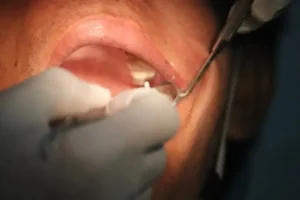
What happens before wisdom tooth removal?
The goal is to understand the tooth and your overall treatment needs before deciding on the next step.
1. Consultation
We review symptoms, dental and medical history, medications and any concerns about treatment.
2. Examination and imaging
The dentist examines the area and reviews appropriate imaging to understand tooth position and nearby anatomy.
Our digital dental imaging information explains the role of X-rays. The dentist selects imaging for the clinical question and can review useful recent records; a three-dimensional scan is not automatically needed for every wisdom tooth.
3. Options and complexity
We discuss whether monitoring, removal or referral is appropriate and what factors may affect the procedure.
4. Comfort and aftercare plan
Local anesthetic and other appropriate comfort options are reviewed, along with preparation and recovery instructions.
If anxiety is a concern, you can also review our sedation dentistry information. The appropriate option depends on the planned procedure, your health history and the level of sedation the treating provider and facility are authorized to provide.
What happens during removal?
The exact approach depends on how the wisdom tooth has erupted and its position. A fully erupted tooth may be removed differently from a tooth that is partly or fully impacted. Your dentist will explain the planned approach before treatment. Some cases can be managed in a general dental office, while more complex cases may be referred to an oral and maxillofacial surgeon.
Dr. David Cheng, Dr. Jeffrey Norden and the Westcoast Smile team can review your individual situation and explain the recommended next step. Learn more about our broader general dentistry services.
For general Canadian patient information about oral surgery and referral, see the Canadian Dental Association oral-surgery resource.
Erupted and impacted teeth can need different approaches. An accessible, fully erupted tooth may be removed without opening the gum. Surgical wisdom tooth extraction may involve a gum incision, removal of a small amount of bone or dividing the tooth into sections. Lower-tooth roots near a sensory nerve, upper roots near the sinus and other clinical factors can affect planning or the need for referral.
If you are worried about discomfort, ask how local anaesthetic and our oral sedation options for selected patients may fit your plan. You can also read the oral sedation patient guide. Tell the team about your medications and health conditions; follow the specific preparation and transport instructions you are given.
Recovery after wisdom tooth removal
Recovery is different for each person and each procedure. Some soreness, swelling and light oozing can occur after oral surgery. Follow the instructions given for your case, take medications only as directed, rest, and choose foods that are comfortable to eat while the area begins to heal.
For practical planning, see our wisdom teeth recovery and aftercare guide, including soft-food choices, activity, protecting the clot and when worsening pain may need a review. It supports, rather than replaces, your individual post-operative instructions.
Bleeding and oozing
Follow the gauze and pressure instructions provided by the dental team. Contact the office if bleeding is difficult to control.
Swelling and discomfort
These can vary by procedure. Follow the dentist’s instructions and contact the office if symptoms worsen unexpectedly or you are concerned.
Eating and cleaning
Choose softer foods initially and follow the specific instructions for brushing, rinsing and keeping the surgical area clean.
Activity
Plan for rest after treatment. Your dentist can advise when returning to work, school, exercise and normal eating is reasonable for your procedure.
The Canadian Dental Association provides general aftercare information for oral surgery. Your own post-treatment instructions take priority because they are based on your procedure and health history.
When is urgent care needed?
Contact the dental office if you have concerns about bleeding, pain, fever, swelling or healing after oral surgery. Seek urgent medical care if swelling affects breathing or swallowing, if bleeding is uncontrolled, or if there has been significant facial or head trauma.
BC Dental Association guidance recommends emergency medical assessment for breathing problems, continuous heavy bleeding or significant head trauma. Review its dental emergency guidance for general information.
Cost and dental insurance
The fee for wisdom tooth removal depends on factors such as the number of teeth, whether a tooth is erupted or impacted, procedure complexity, imaging and the comfort or sedation approach used. After an assessment, the dental team can provide a treatment estimate for the recommended care.
Coverage varies by plan. Our Dental Insurance Claims page explains how Westcoast Smile can help with insurance information and claim submission.
When comparing a wisdom teeth removal estimate, ask whether it includes examination and imaging, each planned extraction, any sedation and follow-up. A consultation and the removal appointment may have separate fees. We can discuss the proposed care before you commit; benefit eligibility, exclusions and your share of the cost depend on your plan.
Frequently asked questions about wisdom teeth removal
How do I know if a wisdom tooth is impacted?
An impacted wisdom tooth has not erupted normally into the mouth. Symptoms can include tenderness or swelling, but some impacted teeth cause no obvious symptoms. Examination and dental imaging help determine the tooth’s position.
Does every wisdom tooth need to be removed?
No. Wisdom teeth that are healthy, appropriately positioned and maintainable may be monitored. Removal is considered when the dentist identifies current disease, symptoms or another clinical reason that makes treatment appropriate.
Will I be awake during wisdom tooth removal?
Many extractions are performed with local anesthetic so the treatment area is numb while you remain awake. If additional sedation is being considered, the dentist will discuss which options are appropriate and available for your procedure and health history.
How long does wisdom teeth removal take?
There is no single treatment time. An erupted tooth may be more straightforward than an impacted or complex tooth. After reviewing your case, the dentist can explain what to expect for the planned procedure.
When can I return to work or school?
Recovery needs vary. Some people resume lighter activities relatively soon, while more involved treatment can require additional rest. Follow the instructions given for your case rather than relying on a fixed recovery timeline.
What can I eat after removal?
Start with foods that are comfortable to eat and follow the specific instructions provided after treatment. Avoid choices that could irritate or disturb the healing area until the dentist advises that normal eating can resume.
What should I do if pain or swelling gets worse?
Contact the dental office if pain, swelling, bleeding or other symptoms are getting worse or are not following the recovery pattern discussed with you. Seek urgent medical care for breathing or swallowing difficulty or uncontrolled bleeding.
What age is best for wisdom teeth removal?
There is no universal age at which wisdom teeth must be removed. Timing depends on the individual tooth, symptoms, development, oral health and treatment considerations identified during assessment.
Patient feedback and references
You can read patient feedback using the external Google review link below. Individual experiences vary.
Plan your next step
For other concerns, explore amalgam-free dentistry, bite correction, TMJ/TMD care or CEREC same-day crowns.
Your assessment at our Kitsilano clinic
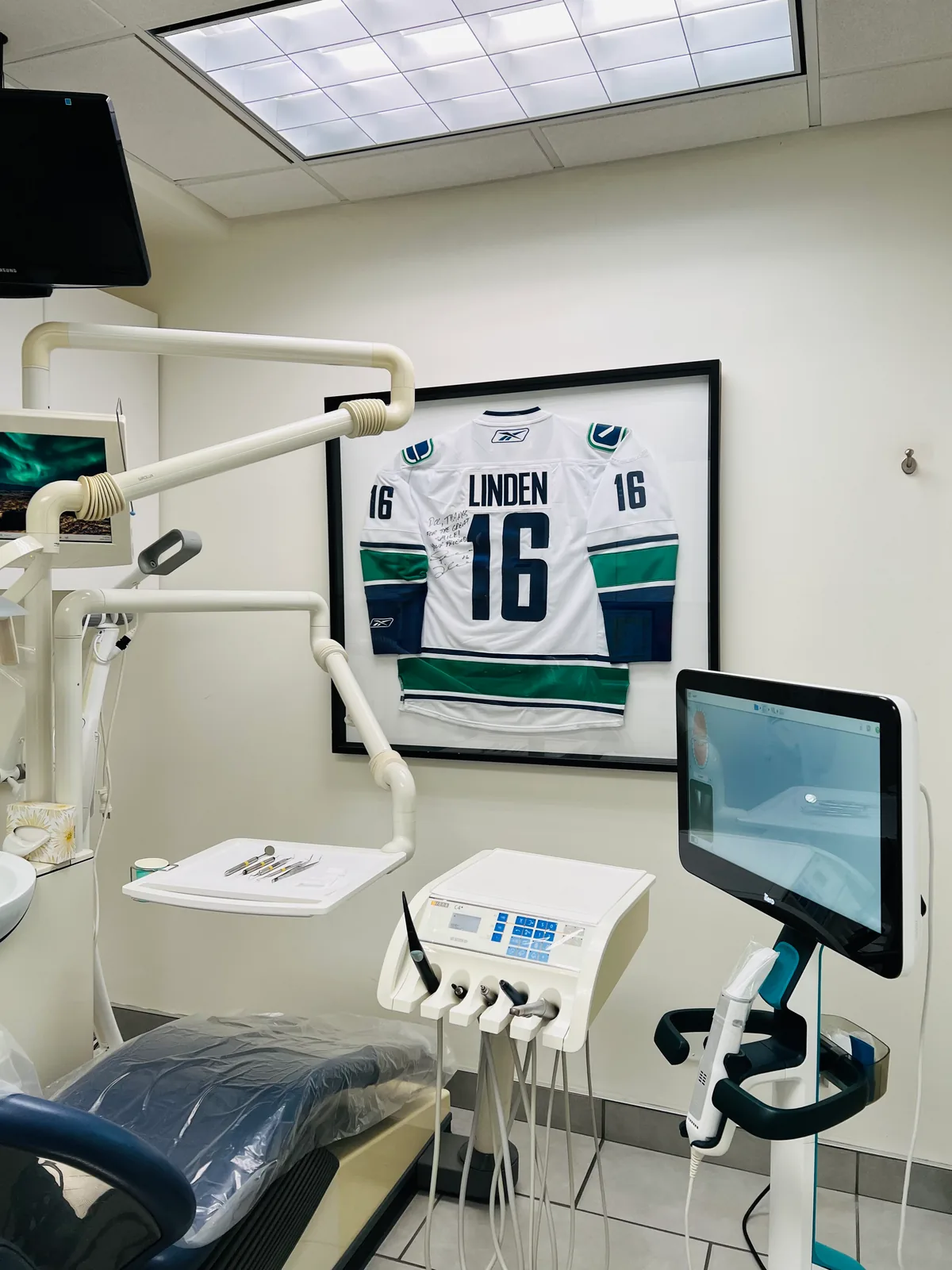
Visit us at 1–1874 West 1st Avenue in Kitsilano. When requesting your assessment, mention whether you have pain or swelling, have been advised to consider extraction, have recent X-rays or are concerned about dental anxiety. Bring an up-to-date medication list and allow time to discuss recovery around work or school.
Find clinic contact information and parking details before your visit.
Ready to plan your next visit?
Request an appointment with Westcoast Smile Dental in Kitsilano, Vancouver.