
Porcelain Veneers
Review candidacy, treatment planning and what to expect from porcelain veneer treatment.
Dental insights
How much do veneers cost in BC? There is no single standard fee. Material, the number of teeth, treatment complexity, laboratory work and your individual plan can all change the final estimate.
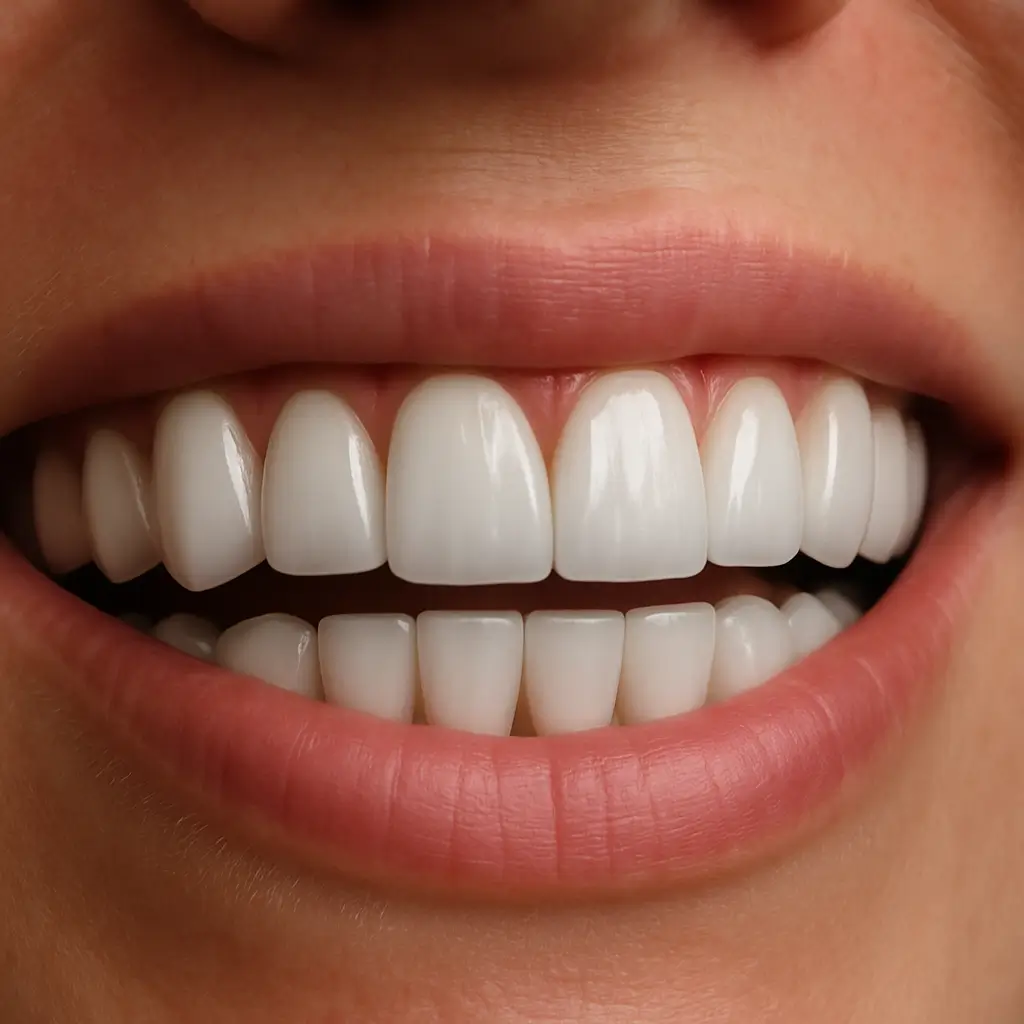
There is no single reliable price that applies to every veneer case in British Columbia. The BC Dental Association (BCDA) explains that its annual fee guide is suggested only: dentists set their own fees, and treatment costs can vary by dental practice, location, individual needs and laboratory costs. A treatment plan can also involve more than one procedure or code.
That is why an online “price per tooth” should be treated as a rough comparison point rather than a quote for your own smile. For a useful estimate, your dentist first needs to assess which teeth are being considered, whether veneers are appropriate, what material is planned and whether any health or bite concerns need to be addressed before cosmetic treatment.
If you are considering treatment at Westcoast Smile, the most useful next step is a written treatment estimate after an examination and planning discussion. For the treatment itself, see our porcelain veneers service. This article remains focused on cost, coverage and how to compare an estimate.
The final cost is usually shaped by several decisions rather than one fixed fee.
Veneers may be made from porcelain or composite resin. The Canadian Dental Association (CDA) notes that porcelain veneers are stronger, stain resistant and generally last longer than composite resin veneers. Porcelain treatment also usually involves laboratory fabrication and at least two visits, while composite veneers can often be completed directly in one visit. Those differences in material and workflow can affect cost.
A single chipped or discoloured tooth is a different treatment plan from changing several teeth across the visible smile. More veneers generally mean more clinical and laboratory work, but the right number should be based on the smile goal and dental assessment rather than an arbitrary “full set.”
The CDA explains that porcelain veneers may require removal of a thin layer of enamel to create space for the restoration. Existing fillings, tooth position, bite forces and the amount of preparation needed can change the plan. If decay or gum disease is present, it should be addressed before elective cosmetic treatment.
Laboratory work is another reason two treatment estimates may not be identical. BCDA specifically notes that lab costs can vary and may be required for treatment. The type of ceramic, shade planning and complexity of the restoration can therefore affect the final estimate.
Some people need no additional treatment before veneers; others may need oral-health care or a different restorative approach first. A good estimate should clearly separate the veneer treatment from any other recommended care so you can understand what each part is for.
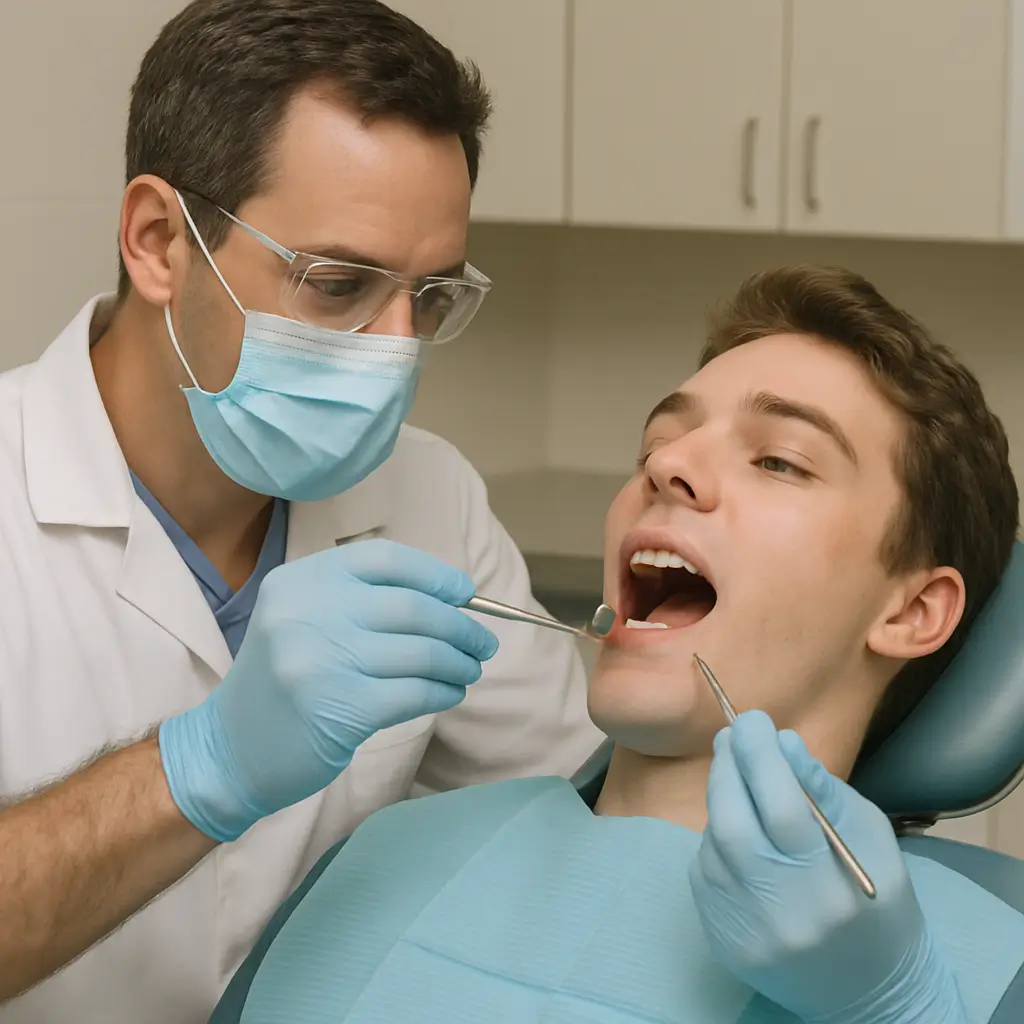
Porcelain and composite veneers are not simply two prices for the same procedure. They use different materials and can involve different clinical workflows.
Longevity can also matter when comparing value over time. BCDA patient guidance says porcelain veneers can last roughly 10–15 years, while resin veneers generally last about half as long before repair or replacement may be needed. Those are general estimates, not guarantees; wear, oral habits, bite forces and maintenance all matter.
Cost should therefore be considered alongside treatment suitability, expected maintenance and how much natural tooth structure may need to be changed. The less expensive initial option is not automatically the best choice for every person, and the more expensive option is not automatically necessary.
Coverage depends on the plan, but veneers are commonly treated as cosmetic care. The CDA advises patients that cosmetic dental treatments such as veneers might not be covered by dental plans. BCDA also recommends confirming coverage directly with your plan provider before treatment because the dental office does not control the plan’s rules or reimbursement level.
For the federal Canadian Dental Care Plan, the answer is clearer: the current CDCP Dental Benefits Guide lists composite and ceramic veneers as exclusions. That means they are outside the plan’s covered services.
If you have private coverage, ask your insurer how the proposed procedure is classified and request a written estimate before proceeding. If you are comparing ways to manage out-of-pocket dental expenses, review Westcoast Smile’s financial options information. Any financing or payment terms should be confirmed directly rather than assumed from a general article.
When two veneer estimates differ, compare what is actually included rather than looking only at the total.
BCDA recommends requesting a written estimate for complex procedures. That gives you something concrete to review and helps prevent confusion between a suggested fee, an insurer’s reimbursement amount and the dental office’s actual treatment fee.
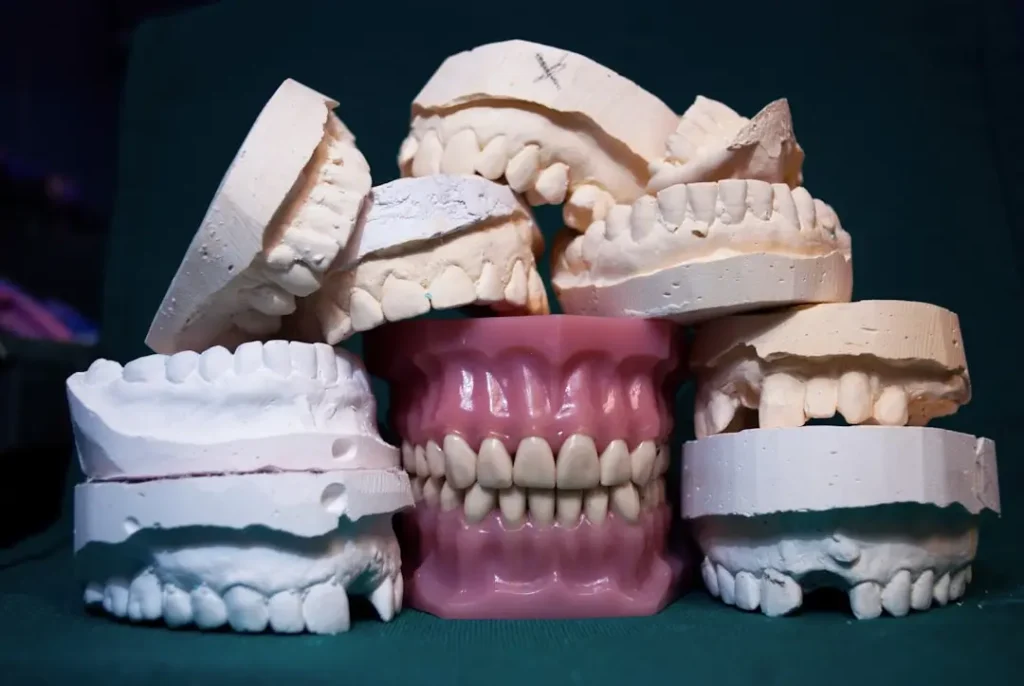
If you are deciding whether veneers are appropriate rather than only comparing cost, start with the Porcelain Veneers treatment page. You can also view a relevant Invisalign and porcelain veneers case for treatment context and results.
No. BCDA’s fee guide is suggested only, and dentists are not required to charge the suggested fees. Individual treatment needs, practice costs and laboratory costs can change the final estimate.
They often do because porcelain veneers usually involve custom laboratory fabrication and a different clinical process. Composite resin can often be placed directly. The right comparison should include durability, maintenance and treatment suitability—not only the initial fee.
There is no universal definition of a “full set,” so multiplying an online per-tooth price can be misleading. The number of teeth should be determined from your smile goals, bite and dental condition. A written plan should state exactly which teeth are being treated.
No. The current CDCP Dental Benefits Guide lists both composite and ceramic veneers as excluded services.
Ask why veneers are recommended, what material is planned, how many teeth are involved, what preparation is required, what is included in the estimate, what maintenance may be needed and whether alternatives should be considered.
Book a consultation at Westcoast Smile Dental in Kitsilano, Vancouver to discuss veneer options, suitability and a written treatment plan.