
10 Facts About Smiles and Dentistry
Discover 10 engaging facts about smiles and dentistry, from boosting mood to making you look younger, with tips for achieving healthy, radiant smile
Dental insights
A patient-focused guide to dental implant candidacy, treatment steps, recovery, risks, aftercare and cost factors for people considering implants in Vancouver.

Thinking about dental implants in Vancouver? You want teeth that look real, feel strong, and last for years. This guide walks you through what implants are, who they help, the steps, recovery, cost factors, and daily care. It’s written in simple language, with the right amount of detail, so you can make a confident choice.
When you’re ready to see how this applies to your smile, visit our service page:
Dental Implants in Vancouver
A dental implant is a small post, usually made of titanium, that works like a new tooth root. It goes into your jawbone. After it heals, we attach a custom connector (an “abutment”) and a crown on top. The crown is the tooth you see when you smile. One implant can replace one tooth. A few implants can also hold a bridge or even a full set of teeth.
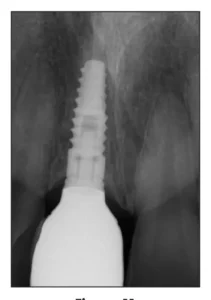
Natural feel: They feel stable, so you can eat and speak with confidence.
Bone support: Implants help keep the jawbone strong by acting like a real root.
No trimming of nearby teeth: Unlike a bridge, the teeth next to the space stay intact.
Long-term value: With good care, implants can last many years.
Many adults can consider implants. An examination and appropriate imaging help your dentist assess suitability. A 3D scan (CBCT) may be recommended when it adds information about bone, nerves or sinuses needed for your treatment plan.
Healthy gums and no active infection
Enough bone to hold an implant (bone grafts can help if the bone is thin)
Medical conditions, like diabetes, under control
Willingness to keep up with brushing, flossing, and follow-up visits
Smoking and grinding: These raise risk but don’t always rule you out. We can add tools like a night guard and a tailored follow-up plan.
Medications: We’ll review anything that affects healing and plan around it.
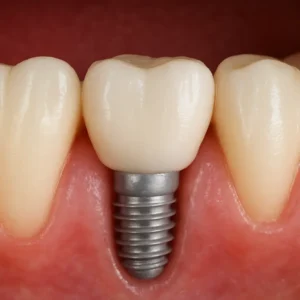
It helps to compare options before you decide.
Feel and function close to natural teeth
Help protect jawbone
Higher upfront cost but strong long-term value
Uses the teeth beside the gap for support
Those teeth must be trimmed and crowned
Good solution when an implant is not ideal
Lower cost at the start
Can move while eating or speaking
Need more upkeep and may reduce chewing power
Implants, bridges and removable dentures each have advantages and limitations. The appropriate choice depends on the number and location of missing teeth, bone and gum health, neighbouring teeth, your goals, treatment complexity and budget.
Single-tooth implant: One implant and one crown.
Implant-supported bridge: A few implants hold several teeth in a row.
Full-arch fixed bridge: Several implants support a full set of teeth that stays in place.
Overdenture (snap-on denture): A removable denture that snaps to implants for better hold.
Immediate implant (“same-day” placement): In selected cases, an implant can be placed when a tooth is removed. Attaching temporary teeth immediately is a separate decision; the implant still needs to heal. Our technology guide explains placement versus loading.
Want a deeper look at materials, shapes, and when each option helps most? Read:
Understanding Different Types of Dental Implants
Treatment begins with an examination and review of your dental and medical history. Depending on the case, photos and CBCT 3D imaging may be used to assess bone and nearby anatomy. Your dentist will discuss goals, expected stages and costs; when appearance during healing is a concern, temporary-tooth options may also be discussed.
If a tooth has been missing for a long time, or bone has been lost through gum disease or injury, a bone graft may be considered before or alongside implant placement. In some upper-back-jaw cases, a sinus lift may also be discussed. Not everyone needs grafting. Ask why it is recommended, how it changes healing and whether it is included in your estimate. Our implant cost guide explains how preparatory treatment affects the overall plan.
Implant placement is typically performed with local anesthesia. Depending on the case, a surgical guide based on digital planning may be used to help transfer the planned implant position to treatment.
Your bone gradually bonds to the implant surface, a process called osseointegration. Healing time varies with the treatment site, bone quality, any grafting and individual health factors. During healing, follow the instructions provided for cleaning, food choices and protecting the surgical site.
Once the implant is stable, we attach a custom abutment and take a digital or traditional impression. A lab makes a crown that matches your shade and shape. We check your bite so it feels natural.
After treatment, regular dental reviews and professional cleaning help monitor the gums, bone and restoration. If you grind or clench, your dentist may recommend a night guard based on your bite and restoration.
Comfort and recovery vary from person to person. Local anesthesia is used during implant placement; you may notice pressure or vibration, and you should tell your dentist if you feel pain or significant discomfort so it can be addressed. After treatment:
Mild swelling or soreness is common for a few days
Ice packs or pain medication may be recommended based on your procedure and health history
Stick to softer foods at first and chew on the opposite side
Contact the clinic if pain or swelling is worsening rather than improving, or if you have unusual bleeding, fever or another concern
First few days: Some soreness, swelling or tenderness can occur and should generally begin to improve.
First one to two weeks: Soft-tissue healing continues. Sutures may be reviewed or removed depending on the type used and your treatment.
Following weeks to months: Bone integration continues. Timing varies, and your dentist will advise when loading or chewing on the implant is appropriate.
Final crown or bridge: Timing depends on healing and is planned after the implant is assessed as ready for restoration.
Implant longevity varies. Some implants remain functional for many years, while the crown or other restorative components may need maintenance or replacement over time. Factors that can influence long-term outcomes include:
Daily brushing and cleaning between teeth
Regular professional cleanings and checkups
Bite forces (grinding and clenching)
Health and habits (for example, smoking)
For a simple plan to protect your results, read:
Preventing Dental Implant Complications
Dental implant placement is a surgical procedure and has potential risks. Careful assessment and planning can help identify and reduce some risks, but they cannot be eliminated completely.
Infection or slow healing: We use clean technique and give clear aftercare.
Implant not bonding: An implant may fail to integrate with the bone. If that occurs, the area is assessed and the next treatment step depends on the cause and healing.
Nerve or sinus concerns: 3D imaging and guided techniques, when appropriate, help the clinician plan around important anatomy.
Gum problems around implants: Good home care, professional cleaning and regular reviews can help reduce risk and identify changes early.
Appearance or restorative concerns: Planning considers implant position, gum tissue, shade, shape and the bite, but final appearance and restorative needs vary by case.
If a concern develops, early assessment can help identify the cause and determine appropriate next steps.
Costs vary based on how many teeth are missing, whether grafting is needed, and the type of restoration you choose. Your bite and cosmetic goals also play a role. Many plans do not fully cover implants, though parts of the care may be covered.
You will receive a written estimate after your exam and scan. We can review payment options if you want to spread out the cost. For a clear breakdown, see:
Dental Implants Cost
Depending on the case, digital tools may be used to support diagnosis, implant planning or restorative design:
CBCT 3D imaging to map bone, nerves, and sinuses
Digital smile design to plan a look that fits your face
Surgical guides may be used to help transfer a digitally planned implant position to treatment
High-quality materials to balance strength and a natural look
Digital restorative workflows may be used to support crown or bridge design, depending on the case
Learn about current tools and trends here:
Advancements in Dental Implant Technology
Brush twice a day with a soft brush.
Clean between teeth with floss, small brushes, or a water flosser.
Ask about a night guard if you grind or clench; whether one is appropriate depends on your bite and restoration.
See us regularly for cleanings and reviews.
Avoid hard habits: no chewing ice, pens, or opening packages with your teeth.
Consistent home care and professional maintenance help support the health of the gums and tissues around an implant.
Designed to restore a missing tooth with fixed support
Can restore chewing function in the treated area
Can help maintain bone in the area of a missing tooth
Can replace a missing tooth without preparing neighbouring teeth solely to support a conventional bridge
May provide a long-term tooth-replacement option with appropriate care
For a quick summary, read:
6 Benefits of Dental Implants
Are implants safe?
Dental implants are a well-established treatment, but implant placement is a surgical procedure and has potential risks. Suitability depends on factors such as your health, bone and gum condition, habits and treatment plan.
Can I get an implant right after a tooth is removed?
Sometimes. Your dentist assesses the site and whether a stable implant position is achievable. Immediate placement does not automatically mean an immediate temporary tooth or a final crown. The timing of each stage is part of your treatment plan.
Will it match my other teeth?
The restoration is designed to blend with nearby teeth in shape and shade. The final appearance depends on factors such as the implant position, gum tissue, neighbouring teeth and the restorative plan.
What if I’m missing several teeth?
You may not need one implant for each tooth. An implant bridge or a full-arch solution can replace many teeth with fewer implants.
How soon can I go back to work?
Recovery time varies. Some people return quickly, while others need more time depending on the procedure, whether grafting or sedation was involved, how they feel and the physical demands of their work.
Will insurance cover it?
Many plans do not fully cover implants. Parts of the treatment may be covered. We can check your plan and explain your options.
A consultation should help you understand whether implants are appropriate for your situation and what the treatment would involve. Useful questions include:
Who will plan, place and restore the implant?
What examination or imaging is needed before treatment?
Do I need bone grafting or another preparatory procedure?
What alternatives should I consider for this missing tooth or teeth?
What stages, healing periods, fees and follow-up appointments are expected in my plan?
If you are considering treatment at Westcoast Smile, see our Dental Implants in Vancouver & Kitsilano service page for the clinic’s treatment overview and consultation pathway.
Bring your questions, any previous treatment plan and the details of what you want to improve. At our Kitsilano clinic in Vancouver, we review your goals, examine your mouth and discuss any imaging needed. You can compare the proposed stages, alternatives and fees before deciding whether to proceed.
See the full procedure overview:
Dental Implants in Vancouver
Further reading: European Federation of Periodontology: implant assessment, healing and bone preparation.
Prefer to talk first? Call our Kitsilano clinic and our team will help you book.
Request an appointment with Westcoast Smile Dental in Kitsilano, Vancouver.