

Amalgam Free Dentistry
Choose safe, amalgam‑free dental care in Vancouver. Our Kitsilano practice offers mercury‑free fillings and modern restorative solutions with care.
Dental care in Kitsilano
With more than 35 years of clinical experience, including longstanding work in TMD and occlusion, Dr. David Cheng provides individualized assessment and treatment for jaw pain and TMJ/TMD concerns.

Turn to Westcoast Smile Dental for TMJ/TMD care informed by more than 35 years of clinical experience in dentistry, including longstanding work in TMD and occlusion. Most people exercise other parts of their body, get massages for muscles, while the jaw can end up forgotten. One part of our jaws, the Temporo-Mandibular Joint (TMJ), connects the lower jaw (the Mandible) to a place on the side of the head (the Temporal Bone). The name ‘TMJ Disorder‘ or TMD (Temporomandibular Disorder) describes a group of conditions associated with pain, discomfort, or dysfunction to a patient’s TMJ.
The TMJ has both the ability to slide and hinge and this makes it one of the most complicated joints in the entire human body. Because it is such a complex joint, it should come as no surprise that a large percentage of people experience problems with their TMJ in Vancouver (some research suggests up to 25% experience problems with their TMJ). Dr. David Cheng brings more than 35 years of clinical experience, including longstanding work in occlusion and temporomandibular disorders. His work on TMD and bruxism has been published in peer-reviewed journals.
Review our page for Frequently Asked Questions About TMJ/TMD Treatment in Vancouver.
Dr. David Cheng brings more than 35 years of clinical experience, including longstanding work in occlusion and temporomandibular disorders. His work on TMD and bruxism has been published in peer-reviewed journals. For background on this work, read our overview of the FORM framework and our HRV biofeedback case report. You can also learn about HRV biofeedback at Westcoast Smile.
At West Coast Smile, a TMJ/TMD assessment begins with a detailed discussion of your symptoms, medical and dental history, jaw function and bite. Depending on the clinical findings, Dr. Cheng may use additional diagnostic tools or imaging when appropriate to better understand the factors associated with your symptoms. Dr. Cheng utilizes state-of-the-art diagnostic tools and techniques, including:
There are three main sets of symptoms that might suggest someone might be suffering from TMJ disorder:
Some of the ways you might experience these symptoms might include:
Through our comprehensive diagnostic approach, we evaluate multiple factors that contribute to TMD:
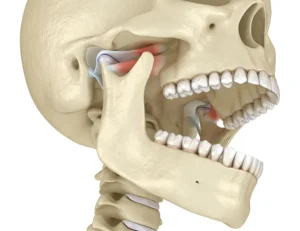
At West Coast Smile, we develop personalized treatment plans based on our comprehensive diagnostic findings. Our advanced treatment options include:
TMJ/TMD treatment starts with an individual assessment. Options should be discussed in terms of their expected benefits, limitations and risks, with progress reviewed over time. The aim is to improve comfort and jaw function; the appropriate approach and response vary from person to person.
Note when the discomfort began, where you feel it, and whether chewing, waking up or clenching changes it. Mention locking, changes in jaw movement, headaches and any previous treatment. Bring a medication list and details of any nightguard or appliance you use, and ask whether previous dental records or imaging would be helpful.
Ask what the assessment suggests about the jaw joints and chewing muscles, which conservative or reversible options are appropriate, and how progress will be reviewed. A nightguard, an injection and a treatment that changes tooth position are different interventions; their purpose, limitations and risks should be explained individually.
Our bite correction and malocclusion guide covers tooth-alignment concerns. Changing a bite should not be assumed to treat TMD. If you are considering Botox for jaw-muscle concerns, ask about the evidence, alternatives and possible side effects; evidence for relieving TMD symptoms remains uncertain.
Before proceeding, ask which assessments or treatments are proposed, what each costs and what follow-up may involve. Confirm any coverage with your insurer rather than assuming that all TMJ-related care is covered. If symptoms persist or worsen, ask whether the diagnosis or plan needs review and whether another healthcare professional should be involved.
Further patient information: HealthLink BC: temporomandibular disorders and NIDCR: TMD assessment and treatment.
If you are experiencing any of the above symptoms, contact us to book an appointment with Dr. Cheng.
TMJ refers to the jaw joint itself, while TMD describes a group of disorders affecting the joint and nearby muscles.
Yes. Misaligned bites can put extra stress on your jaw, often leading to pain and discomfort.
Frequent headaches, especially in the temples, may be linked to bite issues or jaw tension.
Most TMJ issues are treatable with proper care; few cases require surgery.
Absolutely. Grinding (bruxism) often leads to or aggravates TMJ pain and stiffness.
Yes, TMD is more frequently diagnosed in women, especially ages 20–40.
In some cases, correcting your bite with braces or Invisalign can relieve TMJ symptoms.
Not always. Occasional jaw noises are common, but if there’s pain or locking, see a dentist.
Yes. Chewing gum can worsen TMJ pain and should be limited during flare-ups.
Apply ice or heat, eat soft foods, and practice gentle jaw exercises as recommended by your dentist.
Request an appointment with Westcoast Smile Dental in Kitsilano, Vancouver.