
10 Facts About Smiles and Dentistry
Discover 10 engaging facts about smiles and dentistry, from boosting mood to making you look younger, with tips for achieving healthy, radiant smile
Dental insights
onsidering Invisalign and veneers together? Learn the safest order, who qualifies, timelines, risks, and why minimal-prep veneers can deliver natural results.
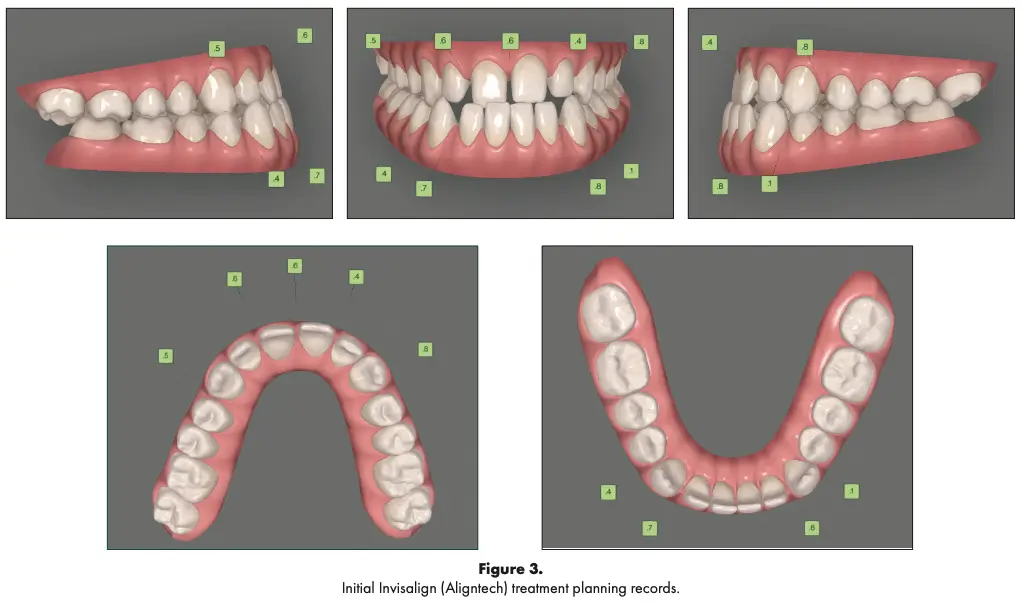
Think of your smile like a building, so to speak, when thinking about combining Invisalign and porcelain veneers:
Therefore, when completed in the proper sequence, you avoid the most common mistake — placing veneers first, then finding out that the spacing and/or bite could have easily (and conservatively) been corrected orthodontically at a much earlier time.
You’ll probably be a great candidate when you want both:
This combination is especially strong for those with:
Dr. Cheng, as a published example, had a skeletal Class III patient with significant maxillary spacing who was treated with functional objectives (overjet/overbite, posterior contacts, TMJ harmony, airway considerations) as well as aesthetic objectives, then treated with clear aligners first, and then porcelain veneers to close the spacing and complete the smile.
True “Smile Makeover Plans” are not just scans, they include photos, a bite analysis, and a risk evaluation. In the previously mentioned case report, several risk areas were identified, including periodontal/biomechanical/functional/esthetic.
Translation of Patient Concerns: Most people want their smile to look “natural,” “not fake,” and they want to make sure “their bite doesn’t mess up.” The first step in establishing trust within a clinic is identifying these concerns early and developing strategies to mitigate them.
Trays are NOT “just trays.” Trays are an engineered series of tooth movements. Attachments (small, tooth-colored shapes) may be placed to assist in controlling specific movements. Aligner company Invisalign states that all ClinCheck attachment placements should be reviewed prior to attaching. (See invisalign.com)
Reality of Public Sentiment: Patients enjoy the idea of having “invisible” trays, however, they become frustrated when attachments cause the trays to appear less invisible than anticipated, or they were not informed that possible refinements may be necessary.
Many of the competitors’ blog sites remain quiet regarding this aspect. To establish yourself as an authority, describe them:
Takeaway to Share with Your Patient: “It works best when you wear it every day and when your case is compatible with aligners.”
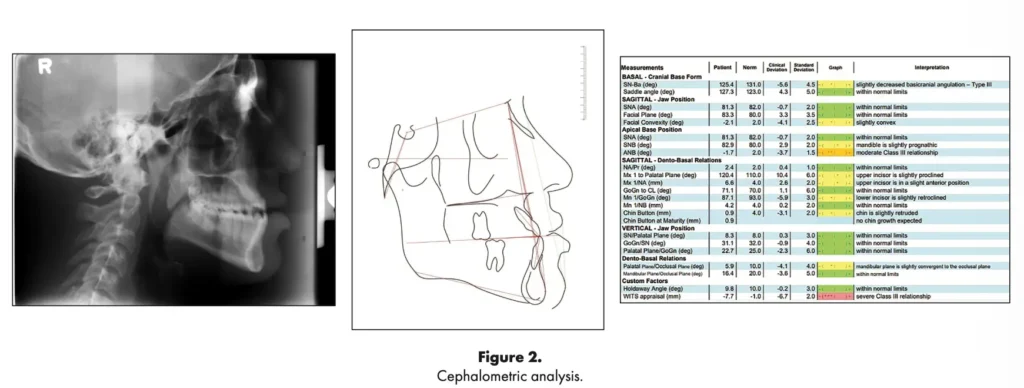
Explain what can occur during the course of aligner therapy — and what you can do to correct those side effects. As an example of a way to build trust with your patient — explain the potential occurrence and what you will do about it. In Dr. Cheng’s case report, he noted an unplanned molar intrusion following aligner therapy as an example of a known problem (reported in approximately 74% of a sample in one retrospective study referenced in his case report), which contributed to the development of a posterior open bite that required a fixed partial appliance and TADs to correct. This type of detail cannot be obtained from generic competitor websites — and indicates the presence of genuine expertise.
Prior to completing porcelain veneers, a temporary trial smile can be created to verify:
Longevity of veneers is achieved through enamel bonding. The case report specifically stated:
Establish Clinical Credibility by Explaining the Finish:
In most cases: Invisalign first, veneers second.
Why: Veneers can’t reposition roots or truly correct crowding/rotations the way orthodontics can. If you place veneers first, you may end up doing more drilling to “mask” a problem that could have been solved conservatively.
Exception: Some patients with very minor alignment issues and primarily color/shape concerns may do veneers without aligners—but only after a bite and functional evaluation.
“How long before I get veneers?” You will generally receive your Invisalign treatment and then your veneers. “Can’t we just veneer them all now?” No. Veneers cannot move your roots back into normal positions, nor can they fix crooked teeth like an Orthodontist can. If you put veneers in front of crooked teeth, you may need to drill more of your tooth to “cover-up” the problem that could have been fixed simply. “Do some people do veneers without Invisalign?” Yes. There are a few patients who have relatively small orthodontic problems and are mainly concerned with color and shape. However, they still must go through a complete bite and function evaluation to determine if veneers are appropriate for them.
The length of treatment depends on the complexity of the case:
Keep in mind that veneers are long lasting (typically 10-15 years) if properly cared for, as noted by Cleveland Clinic.
“Does this look fake?“ When a dentist uses facially-guided planning to create a smile that has good macro/mini/micro esthetics and proportions, the end result will be a natural-looking smile. “Don’t veneers ruin your teeth?“ The amount of tooth structure removed during a veneer procedure is minimal and only enough to make room for the veneer, making it possible to prepare the tooth using only the enamel, which allows for a strong bond to the veneer. “I’m worried Invisalign will ruin my bite.“ Invisalign works very effectively, but getting the final bite right is what’s important. That is why there are case monitors, refinement tools, and post-Invisalign occlusal evaluations to help achieve the best results.
Original Clinical Case Highlight (Vancouver):
This peer-reviewed clinical case by Dr. David Cheng showcases a comprehensive smile rehabilitation completed at our Vancouver clinic for a patient with a Class III bite relationship, spacing, and cosmetic concerns—successfully treated without jaw surgery. The approach combined Invisalign® clear aligner therapy to achieve functional tooth alignment, followed by conservative porcelain veneers to refine tooth shape, balance proportions, and create a natural, harmonious smile.
What this means for local patients:
Even complex bite and spacing concerns can often be addressed with carefully planned, non-surgical treatments when orthodontics and cosmetic dentistry are coordinated by an experienced team. If you’re considering Invisalign®, veneers, or a personalized smile makeover in Vancouver or the surrounding areas, a professional consultation can help determine the most conservative and effective option for you.
👉 Book a smile consultation with our Vancouver dental team to explore your personalized treatment options.
Request an appointment with Westcoast Smile Dental in Kitsilano, Vancouver.