
A discreet appearance
Clear trays offer a less noticeable way to move teeth. Tooth-coloured attachments may also be needed and can be visible at close range.
Clear aligner care in Vancouver & Kitsilano
Looking for a discreet way to straighten crowded teeth or close gaps? Explore Invisalign clear aligners with our Vancouver dentists at Westcoast Smile in Kitsilano. Start with a personalized assessment of your smile, bite and treatment options, with care and progress reviews at our local clinic.
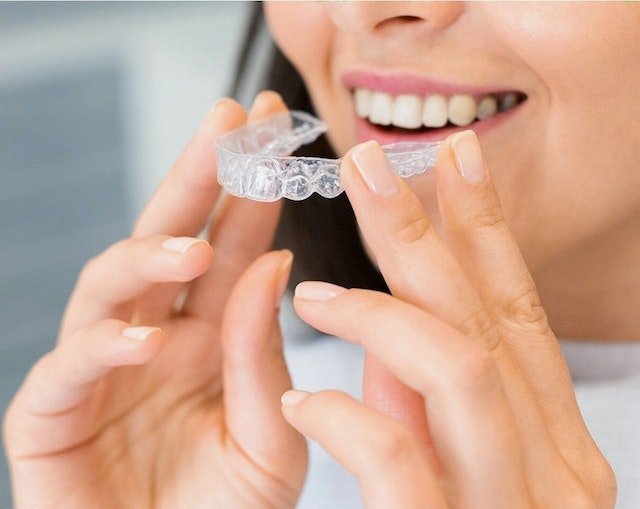
Invisalign uses a planned series of removable clear aligners to move teeth gradually. At Westcoast Smile, the goal is not simply to make teeth look straighter. Treatment planning also considers the bite, gum health, tooth shape, existing restorations and whether aligners are the right way to address the concern.
Your Invisalign dentist at our Kitsilano clinic can assess crowding, gaps and bite concerns, explain the proposed movements and compare suitable alternatives. Consultations, treatment records and progress reviews are coordinated here for patients from across Vancouver, so you have a local team to contact throughout treatment.
Invisalign aligners are removable for eating and oral hygiene, and their clear appearance can make them a discreet treatment option. Suitability, treatment complexity and the amount of tooth movement required vary from person to person.
Clear trays offer a less noticeable way to move teeth. Tooth-coloured attachments may also be needed and can be visible at close range.
Take aligners out for eating, brushing and flossing, then return to the wear schedule your dentist prescribes.
Whether this is your first orthodontic treatment or your teeth have shifted since braces, an assessment helps establish realistic options.
Your plan includes clinical monitoring of tooth movement, aligner fit and oral health, with refinement and retention discussed for your case.
This 30-second Invisalign brand overview was shared on the Westcoast Smile YouTube channel in 2017. It contains an older promotional speed comparison; that comparison is not a treatment-time estimate or promise for your case. Your dentist will explain your expected timeline after assessing your teeth.
Clear aligners may be considered for many adults and teens with alignment or spacing concerns, but candidacy is individual. Before recommending treatment, the dentist evaluates the teeth, gums, bite and any restorations that could affect the plan.
A consultation helps determine whether Invisalign is appropriate rather than assuming clear aligners are the right choice for every patient.
Depending on the diagnosis and treatment goals, clear aligners may be used to address selected concerns such as:
The name of the bite problem alone does not determine whether Invisalign will work for a particular patient. The amount and type of movement, jaw relationships, periodontal health and restorative goals all matter.
Planning begins with an examination and review of your goals. Digital records such as photographs, scans and other imaging may be used when appropriate. These records help the dentist evaluate tooth position, bite relationships and the movements being considered.
A digital treatment simulation can help visualize a proposed sequence, but it is a planning tool rather than a guarantee of the final result. The dentist reviews the plan clinically and may modify objectives, attachments, staging or other details before treatment begins.

We review your concerns, oral health, bite and treatment goals and discuss whether clear aligners appear reasonable for your situation.
Records are used to plan the tooth movements and determine whether attachments, interproximal reduction (IPR) or other steps may be appropriate.
You receive instructions about wear time, changing aligners, eating, drinking and cleaning. Following the prescribed wear schedule is important because inconsistent wear can affect how closely the teeth follow the plan.
Review frequency depends on the treatment plan. Appointments allow the dentist to assess movement, the fit of the aligners, oral health and whether adjustments are needed.
Some patients complete the planned series without additional aligners; others benefit from refinement aligners if further movement is appropriate. Retainers are normally part of maintaining the final tooth positions after active treatment.
Watch our Invisalign treatment and daily-care video guide for an introduction to fitting and removing aligners, attachments and everyday routines. Follow the instructions given for your own treatment.
Most Invisalign patients are advised to wear their aligners for 20–22 hours a day. Remove them for meals, drinks other than water, brushing and flossing, and follow your dentist’s instructions about cleaning and when to change trays. If a tray is lost, damaged or no longer fits, contact the clinic before skipping ahead.
For more help with wear, cleaning and troubleshooting, browse our Invisalign patient FAQs.
Not every Invisalign case is simply a series of plain trays. Small tooth-coloured attachments may be bonded to selected teeth to help the aligners apply particular forces. IPR may be considered in selected cases to create a small amount of space between teeth, and refinement aligners may be used when additional movement is appropriate after the initial series.
For a detailed explanation of these treatment mechanics, read Dr. Cheng’s clinical resource: Invisalign in Vancouver: Attachments, IPR & Refinements Explained.
Clear aligners and fixed braces can both move teeth, but they do so with different appliances and each approach has advantages and limitations. Invisalign is removable and less visually noticeable, which many patients value. Braces do not depend on remembering to wear removable trays and may be preferred for some treatment objectives.
The better option depends on the diagnosis, complexity, treatment goals and your ability to follow the required care routine. We discuss alternatives rather than assuming Invisalign is automatically superior for every case. Read our Invisalign vs braces comparison for the benefits and daily responsibilities of each option.
The images below are from an actual Invisalign treatment case at Westcoast Smile. They are included to show a real treatment example; individual starting conditions and results vary.
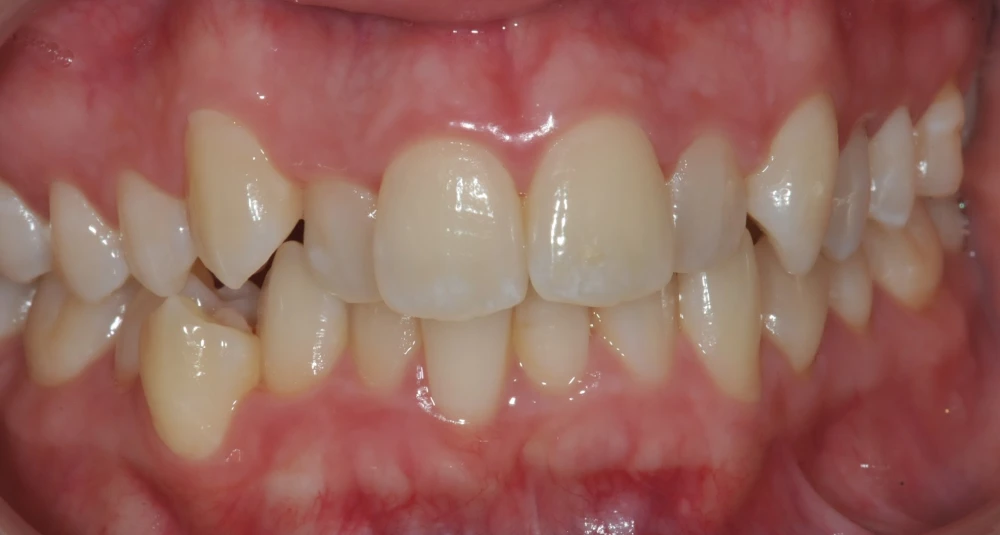

For a case that combines tooth alignment with restorative treatment, see our Invisalign and porcelain veneers case. Our guide to planning Invisalign and veneers together explains why treatment order matters. These combined cases include additional treatment and do not represent aligners alone.
Invisalign treatment at Westcoast Smile is planned and monitored by dentists who can consider alignment together with restorative, cosmetic and bite-related needs. Dr. David Cheng has a particular interest in comprehensive treatment planning, including cases that combine aligner therapy with restorative dentistry. Dr. Jeffrey Norden brings extensive experience in restorative and aesthetic dental care.
The aim of the consultation is to determine whether clear aligners fit your clinical situation and goals—not to promise the same treatment path to every patient.
The cost of Invisalign varies with treatment complexity, the planned number of aligners, refinements, retention and other clinical factors. A personalized fee can only be provided after the case has been assessed. Ask for a written breakdown of records, progress visits, any planned attachments or IPR, refinements and retainers so you can compare the complete plan.
Dental plans differ in whether and how they contribute to orthodontic or clear aligner treatment. We can help you understand the treatment estimate, and you can confirm your plan’s coverage directly with your insurer. If you are looking for an Invisalign payment plan, ask the clinic which payment arrangements are currently available for your treatment; availability and terms need to be confirmed.
Westcoast Smile currently offers complimentary Invisalign consultations. Promotional savings may also be available from time to time, but amounts, dates and eligibility can change. See our current Invisalign offers and consultation information or contact the clinic to confirm what is available when you book.
Clear aligner treatment involves more than receiving trays. Reviews, troubleshooting, oral-health checks, refinements when appropriate and retention all benefit from continuity of care. Westcoast Smile’s Kitsilano location provides a local point of contact for patients from Kitsilano and other Vancouver neighbourhoods throughout the treatment process.
Find us at 1–1874 West 1st Avenue, Vancouver. Bring your main concerns, any previous orthodontic history and questions about your dental benefits. We can discuss treatment options, the likely stages and what to expect before you decide whether to proceed.
Request an Invisalign consultation or review parking and access information before your visit.
No. Clear aligners can be useful for many adults and teens, but suitability depends on the bite, the movements required, oral health, existing dental work and the treatment goals. An examination is needed before recommending Invisalign.
There is no single treatment length. Timing depends on the complexity of the movements, how the teeth respond, aligner wear and whether refinements are needed. Your treatment plan will provide a more useful estimate for your case.
Invisalign is designed around consistent daily wear. Your dentist will give you the wear schedule for your treatment, including when to remove the aligners for eating, drinking and oral hygiene.
Review timing varies by case. Appointments are scheduled to assess aligner fit, tooth movement, oral health and whether the plan needs adjustment rather than following one fixed interval for every patient.
Some people notice pressure or tenderness, particularly when beginning a new aligner. The amount and duration of discomfort vary. Contact the clinic if discomfort is significant, persistent or different from what you were advised to expect.
Attachments are small tooth-coloured shapes that can help aligners apply particular forces. IPR creates a small amount of space between selected teeth when clinically appropriate. Refinements are additional aligners used in some cases when further movement is needed.
Westcoast Smile currently offers complimentary Invisalign consultations. Contact the clinic when booking to confirm availability and what is included in the consultation.
Retainers help maintain the new tooth positions after active treatment. Your dentist will explain the type, wear schedule and ongoing checks for your case. Ask whether retainers and any replacement arrangements are included in your treatment estimate.
Clear aligners may be an option for selected cases of teeth shifting after earlier orthodontic treatment. The dentist needs to check the current bite, gum health, previous treatment and the movements required before recommending a new plan.
Remove aligners for food and drinks other than water. Follow your cleaning instructions before putting them back, and avoid heat that could distort the trays. Ask the clinic if you are unsure how to fit meals and drinks around your prescribed daily wear.
For additional patient questions, visit our Invisalign FAQ resource.
Request a complimentary Invisalign consultation at Westcoast Smile Dental in Kitsilano, Vancouver.
